How to Get International Clients as a Freelancer: From Learning a Skill to Your First Client

Published on September 15, 2026

Maroosha Nageen
SEO Content Writer · LinkedIn
Today, I work with international clients through different freelance channels. I've spent around three years building my Fiverr presence. More recently, I became active on Upwork and started gaining contracts there too. But none of that happened overnight. I started where most freelancers begin: learning a skill, practicing it, building proof and wondering why a stranger would trust me with paid work.
If I had to start again, I'd follow a much clearer order.
Quick Answer
To get international clients as a freelancer, first learn one marketable skill and become good enough to solve a specific business problem. Build proof through practice, internships, local work or self-created projects. Then create focused Fiverr, Upwork and LinkedIn profiles. Finally, use marketplaces, direct outreach, communities and targeted prospecting together instead of depending on one platform.
Key takeaways
- Learn one sellable skill before chasing clients everywhere.
- Use real practice and local experience to build early proof.
- Treat Fiverr, Upwork and LinkedIn as different acquisition channels.
- Build several lead sources instead of depending on one algorithm.
Start With a Skill Someone Will Actually Pay For
You can't build a freelance business without something useful to sell.
Start by choosing one skill with real market demand. That might be SEO, web development, content writing, video editing, graphic design, app development, paid advertising or automation. However, don't choose only because a skill looks trendy.
Look at four things: interest + ability + demand + willingness to practice. Then make your offer narrower.
“Digital marketing” is too broad for a beginner. “Local SEO for service businesses” is easier to understand. “Content writing” is also vague. “SEO blog writing for SaaS brands” gives a buyer a clearer reason to remember you.
You don't need ten services. You need one problem you can solve reliably. If you are thinking about SEO as that one offer, our breakdown of how an agency packed retainers on Freelancer.com in the SEO agency 70 lakhs case study shows how a narrow service can still grow.
Learn, Practice and Build Real-World Experience
Watching tutorials helps you understand a skill. Doing the work teaches you how that skill behaves under pressure.
Practice with mock projects first. Recreate real briefs, study professional work, ask for feedback and revisit weak areas. Then try to get some real-world experience.
A paid internship is great. A useful unpaid internship can also help when the learning is genuinely worth your time. Local businesses, nonprofits, university projects or family businesses can provide similar practice.
Why does this stage matter? Because real work teaches things courses rarely do:
- Handling revisions
- Understanding unclear briefs
- Meeting deadlines
- Communicating professionally
- Taking feedback without panicking
- Delivering work someone will actually use
Your first target isn't making thousands of dollars. It is becoming someone a stranger can safely hire.
Don't wait until you feel completely ready. That day may never arrive. Build your profiles while your skills and portfolio continue improving.
How I Would Build Fiverr From Scratch Today
I've been working on Fiverr for around three years. One thing I remember clearly is how difficult that first client felt.
When you have no marketplace history, the buyer takes more risk. That means your profile and Gig need to do more work.
I would focus on:
- A professional profile photo
- One clear service direction
- A buyer-focused Gig title
- Relevant search terms
- Strong samples
- Simple packages
- Useful FAQs
- Quick, professional replies
- Reliable delivery
Instead of writing “I will write amazing articles,” I'd make the offer more specific: “I will write SEO blog posts for SaaS and service businesses.”
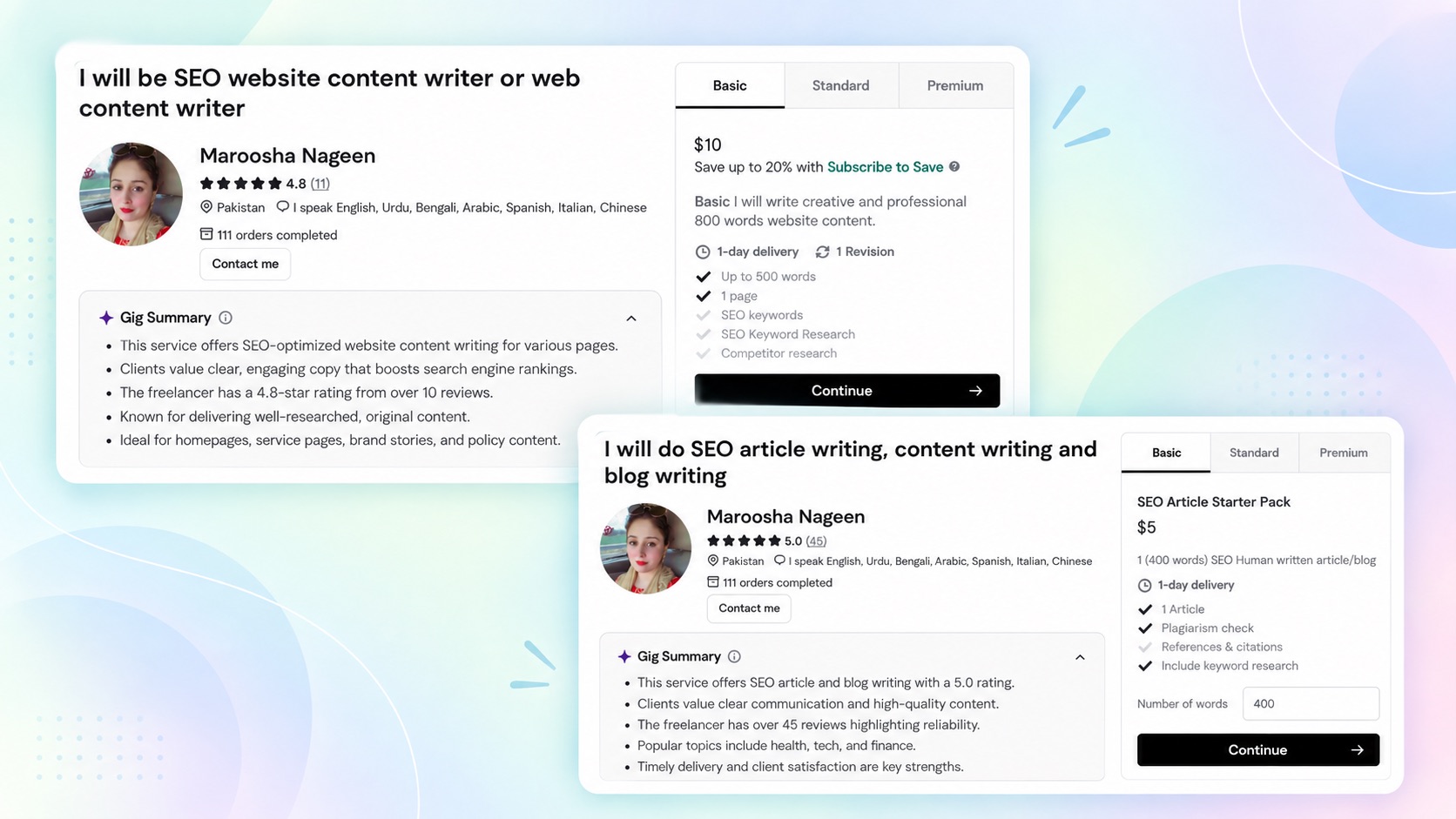
Fiverr itself recommends clear, specific titles, relevant search terms, accurate professional details, strong visuals and well-defined packages. See Fiverr's current Gig best practices.
The first genuine order matters because it starts reducing buyer uncertainty. Then another completed project adds more proof. Fiverr taught me patience more than anything. Getting the first few clients was much harder than serving clients once trust and reviews started building.
What My First Two Months on Upwork Taught Me
My Upwork journey has been much newer. I became properly active around two months ago. I currently have six jobs there. Two are completed while four are still ongoing. I've also received around five or six invitations, with a few additional client conversations still in progress.
However, I didn't enter Upwork as a complete beginner. I already had work experience, samples and client-facing skills. That helped.
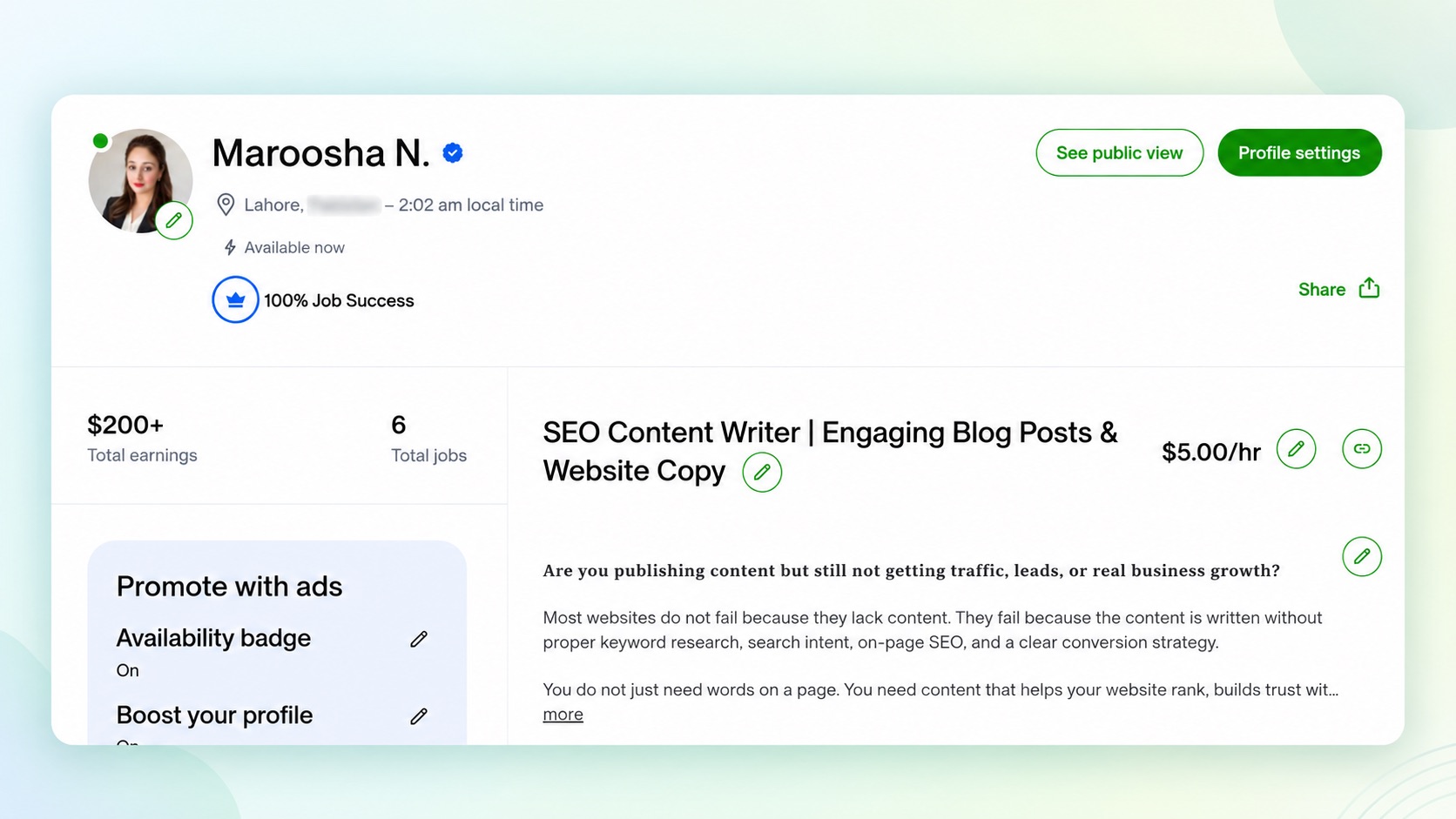
Upwork says freelancers with complete profiles are 4.5 times more likely to get hired. It also notes that only roughly the first 250 characters of your overview appear in freelancer search results.
So I'd pay particular attention to:
- A specific professional title
- A strong opening paragraph
- Relevant portfolio pieces
- Client-focused language
- Accurate skills
- Selective proposals
Don't apply to every project with the same template. Read the brief and mention something specific. That alone makes a proposal feel much less robotic.
The difference with Upwork was that I wasn't starting from zero anymore. I already understood client communication, revisions, deadlines, and how to present my work.
Related read: once international prospects start asking for calls, see how to get a US virtual number from India as a freelancer.
Use Genuine Existing Clients to Build Marketplace Credibility
You may already know a client outside Fiverr or Upwork. If that relationship is genuine, you can sometimes bring the work onto a marketplace through its permitted process.
Fiverr actively allows sellers to promote their Gigs through social media, websites, newsletters, Reddit, Facebook and other communities. It asks sellers to direct people back to Fiverr and keep the business conversation on-platform.
Upwork also offers Direct Contracts for certain clients you already know outside the marketplace. Current eligibility and fee rules apply.
Never create fake orders or reviews just to make a profile look established. Real proof grows slower. It also lasts longer.
Don't Wait for Fiverr or Upwork to Bring Every Client
Marketplaces are useful, but I wouldn't build my entire freelance income around them. I prefer thinking about client acquisition as several smaller pipelines.
| Channel | Main role |
|---|---|
| Fiverr | Marketplace inbound |
| Upwork | Proposals and invitations |
| Authority and prospecting | |
| Direct outreach | Contact chosen companies |
| Communities | Relationships and opportunities |
| Referrals | Growth through existing trust |
If one channel slows down, you still have somewhere else to look.
Find International Prospects More Intentionally
Random messaging burns time quickly. Targeted research works better.
Look inside relevant audiences
Find respected creators, agencies or experts in your niche. Then look at people actively engaging with their posts. Some may be founders, marketing managers, agency owners or other decision-makers already interested in that subject.
Research their company before reaching out. Instead of immediately selling, share one useful observation or small audit. A tiny piece of useful thinking can open a conversation. A full free project usually goes too far.
Build a company watchlist
Another method works well if constant pitching feels exhausting. Create a list of companies you would genuinely like to work with. Follow their founders, LinkedIn pages, newsletters, career pages and social channels.
Sometimes freelance opportunities appear there before you notice them on major job platforms. When an opening fits your skill, respond quickly with relevant proof.
Use LinkedIn Without Pitching Everyone
LinkedIn works best when your profile already explains what you do.
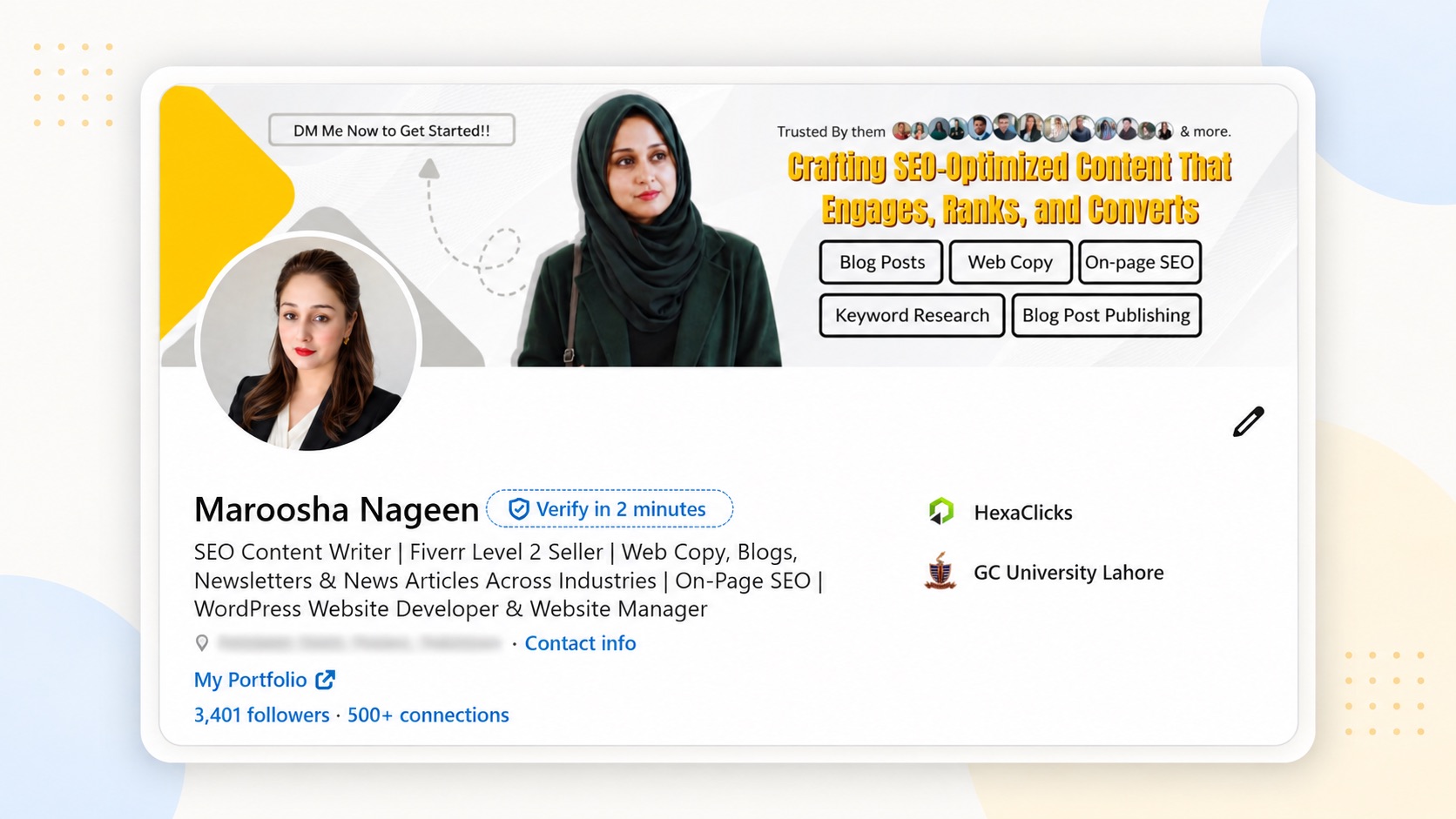
You can also test specific company segments. For example, businesses with 11–50 employees may be worth researching because decision-makers can still be relatively accessible. Treat that as a test segment, not a universal rule.
And don't sell inside every connection request. LinkedIn currently limits personalized free connection notes to 200 characters, with free members able to add notes to only three requests monthly. Keep the first contact relevant and human.
LinkedIn also offers free Service Pages for freelancers. These pages can appear in LinkedIn and search engines while letting prospects message you about services.
I'm also building my LinkedIn presence around SEO, content, and client-focused insights rather than relying only on freelance marketplaces.
Post Content Clients Actually Care About
Freelancing-journey posts can build personality. They shouldn't become your entire content strategy.
Ask yourself one question: who should this post attract?
If you want SEO clients, write about SEO problems buyers face. For example, “Three SEO mistakes hurting ecommerce category pages” will likely demonstrate more client value than “How I stay motivated as a freelancer.”
Share buyer problems, project lessons, useful breakdowns, case studies and occasional personal stories.
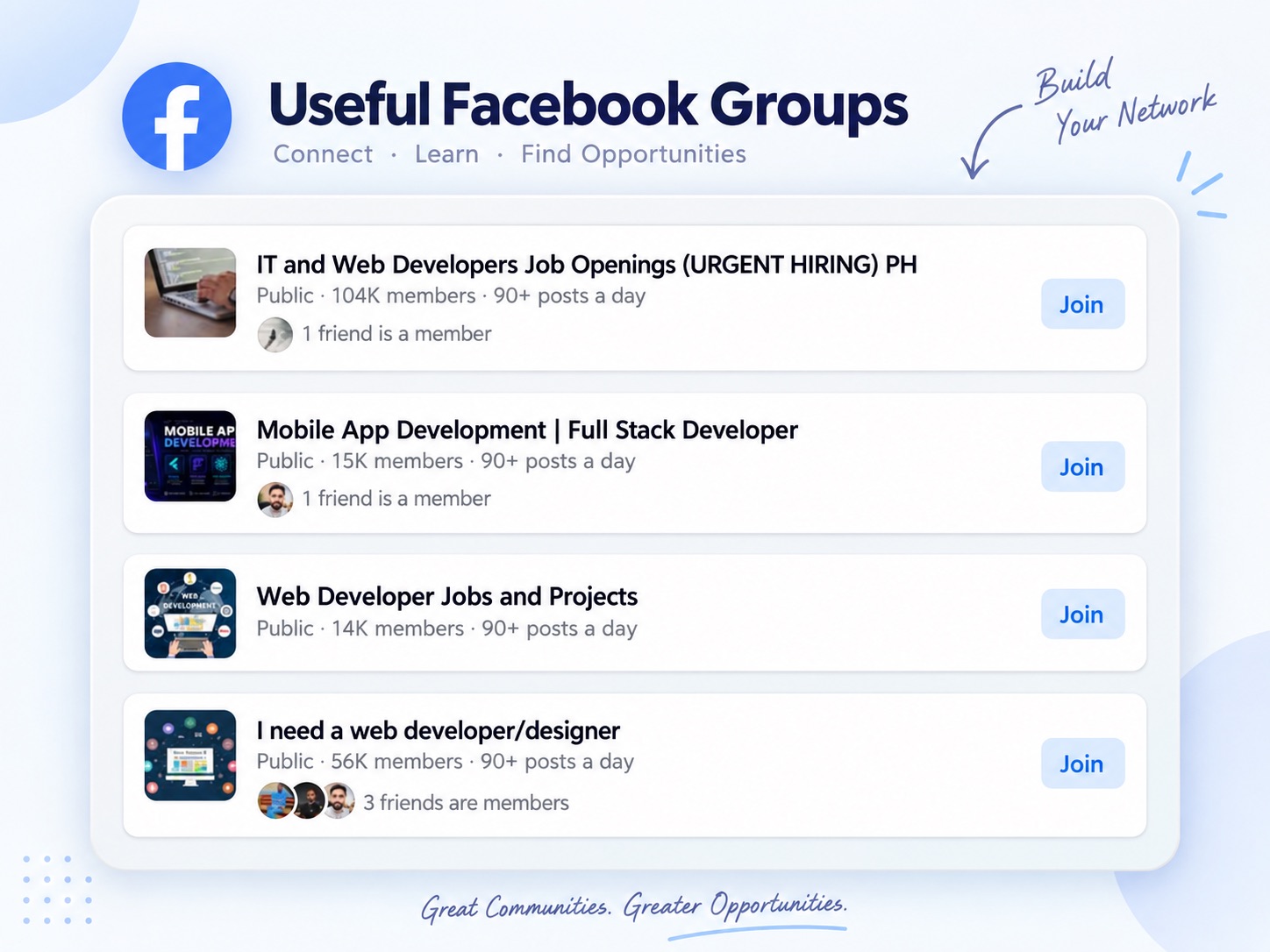
The same rule applies inside Facebook groups, Reddit communities, Slack groups and Discord servers. Help first. Become familiar. Then mention your service when it actually fits.
My Practical Roadmap to the First International Client
If I started again from zero, I wouldn't give myself a 30-day deadline for landing an international client. Some freelancers get lucky early. Others need several months before things start clicking.
More importantly, I wouldn't treat freelancing like a checklist where one stage must finish before the next begins. Learning, portfolio building, Fiverr, Upwork, LinkedIn, communities and outreach can grow side by side.
The timeline also depends heavily on the skill. Learning basic content writing may take less time than becoming client-ready in app development or technical SEO.
Months 1–2: learn one skill while building your online presence
At the beginning, most of my energy would go into becoming useful. I'd choose one marketable skill and start learning its fundamentals properly. At the same time, I'd create my Fiverr, Upwork and LinkedIn profiles instead of waiting months for everything to feel perfect.
The profiles wouldn't need to look impressive immediately. I'd improve them as my skills and samples improved. During this stage, I would:
- Learn one clear service instead of five unrelated skills.
- Practice with realistic briefs and small projects.
- Create my Fiverr and Upwork profiles.
- Start improving my LinkedIn profile.
- Join relevant Facebook, Reddit, LinkedIn and niche communities.
- Watch how experienced freelancers describe and sell similar services.
I wouldn't aggressively pitch yet if my work wasn't ready. However, I would start becoming visible.
That matters because a beginner can sometimes find an early opportunity through a community, personal connection or small local project before Fiverr or Upwork brings anything.
Fiverr itself recommends participating genuinely in relevant Facebook groups, Reddit communities and LinkedIn groups while gradually introducing your services where appropriate.
These months are only rough stages, not fixed deadlines. A writer may become client-ready faster than a developer, SEO specialist, or UI/UX designer.
Months 2–3: build a portfolio even before you have clients
You don't need to wait for someone to hire you before building a portfolio. If you can do the work, create your own proof.
A content writer, for example, can publish three strong articles on Medium or Blogger. Pick topics from the niche you want to enter. If SaaS clients are your target, write product comparisons, how-to articles or SEO-focused posts. Those published links become portfolio samples even without a paid client.
A LinkedIn Content Strategist or Personal Brand Strategist can use their own LinkedIn profile as a case study. Write consistently, test hooks, improve post structure and track impressions, profile views, follower growth or inbound messages. If your own content starts performing well, that becomes visible proof of your ability.
A graphic designer can invent realistic brand briefs. Create a logo, social media kit, landing-page graphics or complete visual identity for a fictional company. Then present the work properly on Behance, Dribbble or a simple portfolio page.
A web developer can build sample websites for imaginary businesses or redesign a weak existing layout as a concept project. GitHub and a live demo can show both the code and finished result.
The same idea works for SEO specialists, video editors, UI/UX designers and social media managers.
Your first portfolio doesn't need famous brands. It needs to answer one question for the client: “Can this person actually do the work I need?” If your samples answer that clearly, you already have something worth showing.
Month 3 onward: start client hunting across several channels
Once I had reasonable samples and could confidently deliver the service, I'd increase outreach. I wouldn't rely only on Fiverr search or send twenty random Upwork proposals every day.
Instead, I'd work several channels together:
- Fiverr: improve Gigs and bring relevant outside traffic.
- Upwork: apply selectively to projects matching my samples.
- LinkedIn: connect with potential buyers and share useful expertise.
- Facebook groups: watch for businesses actively requesting help.
- Reddit and niche communities: contribute before promoting services.
- Direct outreach: contact businesses where I can identify a real problem.
- Local network: ask existing contacts about remote or international introductions.
This matters because your first client can come from anywhere. For one person, it might be Upwork. Someone else may find a client inside a Facebook group. Another freelancer could get introduced through a former colleague.
Even current freelancer discussions show people using combinations of marketplaces, local networks, Facebook groups, communities and direct outreach rather than following one universal path.
Months 4–6: improve what the market is telling you
By this stage, I'd stop guessing and start looking at actual results.
For example:
- If ten Upwork proposals receive no replies, I'd review my targeting and opening lines.
- If people visit my Fiverr Gig but don't order, I'd reconsider the offer, samples, pricing or presentation.
- If LinkedIn conversations happen but nobody asks about my service, my positioning may still be too vague.
I'd track:
- Which platform creates conversations
- Which service gets the most interest
- Which samples clients mention
- Which proposals receive replies
- Which communities produce real opportunities
- Where prospects stop responding
Then I'd adjust. Freelancing becomes easier once you stop treating every rejection as bad luck and start treating it as information.
When Should You Expect the First International Client?
There isn't one honest deadline.
Someone with an existing skill and strong portfolio may find a client quickly. A person learning from absolute zero may need several months before they are ready.
That doesn't mean nothing is happening during those months. You are building skills, proof, profiles, connections and market understanding at the same time.
My own experience also taught me that platforms can move at very different speeds. Fiverr took time and consistent work before it became established for me. On Upwork, I started seriously much later, but I already had experience and proof behind me. That made the starting point completely different.
So I wouldn't tell a beginner: “Give yourself 30 days to find an international client.”
I'd tell them: give yourself enough time to become hireable, but start putting yourself where clients can find you from day one.
That is slower than the promises you often see online. It is also far closer to how freelancing actually grows.
Related read: when a prospect wants to speak live, check the best time to call US clients from India before scheduling the conversation. If you are going to dial rather than wait for marketplace chat, the cold calling US clients from India guide covers the full workflow.
What I Would Do Differently if I Started Again
I would learn one skill properly instead of chasing everything. I'd get practical experience sooner. I'd build samples before worrying about perfect branding. I'd also create Fiverr, Upwork and LinkedIn profiles earlier rather than waiting for confidence to magically appear.
Most importantly, I wouldn't expect one marketplace to carry my whole freelance career.
The first international client often feels impossible because you have little proof. Your job is to change that.
Learn. Practice. Build proof. Get visible. Start conversations.
Once clients can clearly see what you solve and why they can trust you, international freelancing stops feeling like a mystery. It becomes a process you can repeat.
About the Author
Maroosha Nageen
SEO Content Writer
Maroosha writes SEO blog posts, website copy and on-page content for international clients. She has spent around three years building her Fiverr presence and more recently started taking contracts on Upwork. This guide is the order she would follow if she had to land her first international client again.
Connect on LinkedIn →Frequently Asked Questions
How do you get international clients as a freelancer?
Learn one marketable skill until you can solve a specific business problem. Build proof through practice, internships, local work or self-created projects. Then create focused Fiverr, Upwork and LinkedIn profiles and use marketplaces, direct outreach, communities and targeted prospecting together instead of depending on one platform.
Do I need Fiverr or Upwork to get international freelance clients?
No. Marketplaces help, but they should not carry your entire income. Treat Fiverr as inbound marketplace traffic, Upwork as proposals and invitations, LinkedIn as authority and prospecting, plus communities, referrals and direct outreach so one algorithm cannot stall you.
How long does it take to get your first international client?
There is no honest 30-day deadline. Someone with an existing skill and a strong portfolio may land a client quickly. A person learning from zero may need several months. Use that time to become hireable while putting yourself where clients can find you from day one.
Should I wait until my freelance profile is perfect before applying?
No. Build Fiverr, Upwork and LinkedIn profiles while your skills and samples are still improving. The profiles do not need to look impressive immediately. Improve them as you get better at the work.
How can I build a freelance portfolio with no clients?
Create your own proof. Writers can publish niche articles. Designers can invent realistic brand briefs. Developers can ship sample sites with a live demo. LinkedIn strategists can treat their own profile as a case study. Famous logos are not required. Samples only need to show that you can do the work.
What should a beginner Fiverr Gig title look like?
Make the offer specific. Instead of “I will write amazing articles,” write something a buyer can picture, such as “I will write SEO blog posts for SaaS and service businesses.” Pair that with one service direction, relevant search terms, strong samples, simple packages and useful FAQs.
Is it okay to move an existing client onto Fiverr or Upwork?
If the relationship is genuine, marketplaces often have a permitted process for bringing known clients on-platform. Fiverr asks sellers to keep the business conversation on-platform. Upwork offers Direct Contracts for certain outside clients, subject to current eligibility and fees. Never create fake orders or reviews.
What is the first 250 characters of an Upwork overview used for?
Upwork notes that only roughly the first 250 characters of your overview appear in freelancer search results. Put a specific professional title and a client-focused opening paragraph there, then support it with relevant portfolio pieces and selective proposals.
Related Posts
Freelance growth
How this agency made 70 lakhs selling SEO services
A retainer playbook from 525 public Freelancer.com reviews.
Client calls
How to get a US virtual number from India as a freelancer
Set up a number prospects can call back when chat turns into a call.
Scheduling
Best time to call US clients from India
IST windows for every major US time zone.
Outreach
How to cold call US clients from India
A practical workflow when you are ready to pick up the phone.
Ready to take international client conversations off chat and onto a real US number? Visit Callzo.
When an International Prospect Wants a Call
Use a dedicated US or Canadian number in your browser so callbacks land with you, not a shared pool.
Try Callzo