Why We Built Callzo: A Simple Dream to Fit in Every Traveler's Pocket
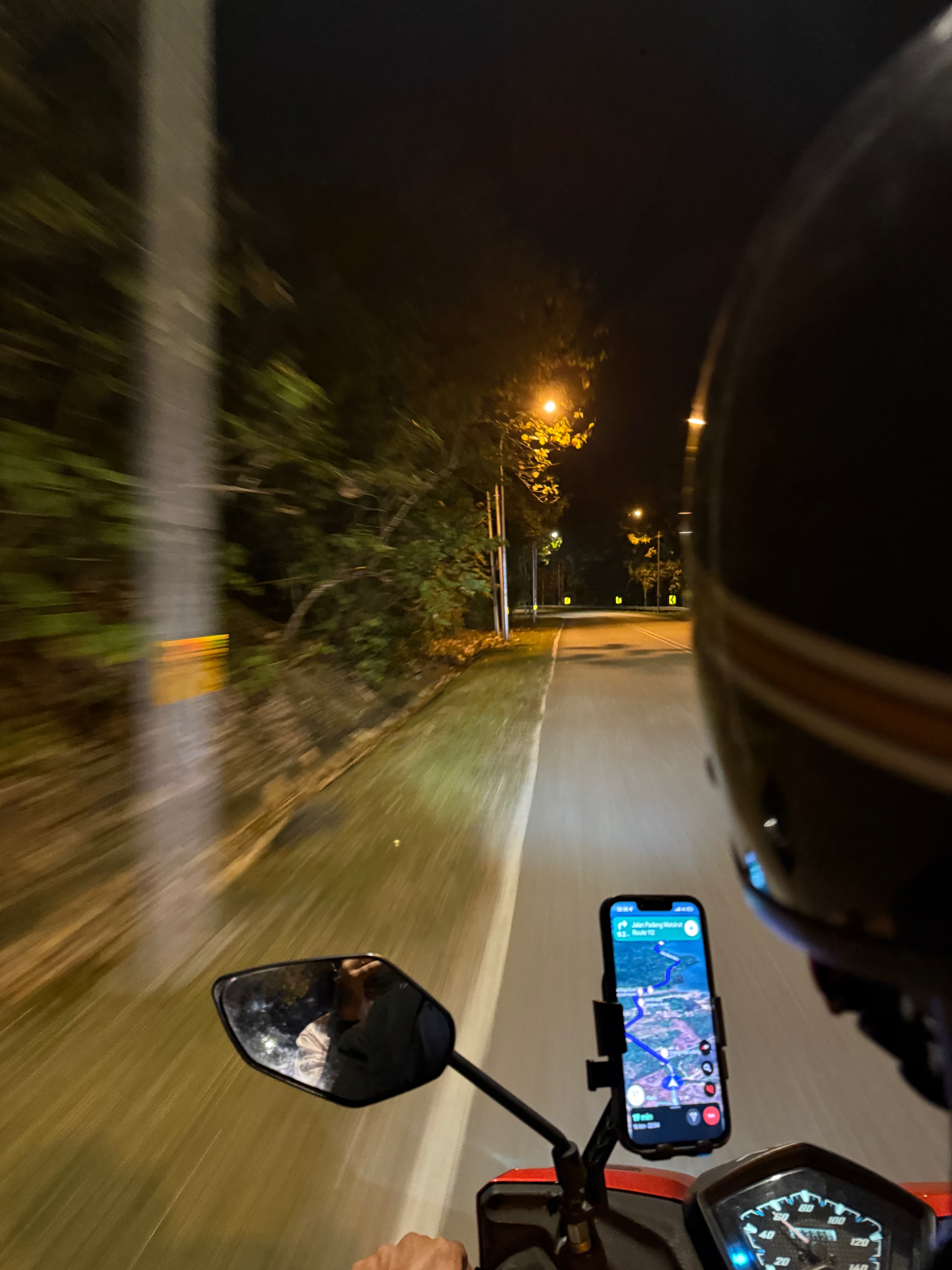
I usually travel internationally once a year. Not too frequently, but enough to understand that travel isn't always smooth and predictable.
Most of my trips are self-planned. I like figuring things out on my own or discussing plans with a friend if we're traveling together. Over time, I've built a kind of mental checklist that I go through before every trip — flights, hotels, internal transport, SIM options, travel insurance, medicines, forex, everything. I try to cover all possible scenarios so that once I land, I don't have to think too much.
But even after planning everything carefully, there was always one small thing that never felt properly solved — calling.
Not something major. Just regular, everyday calls. Calling home after landing. Calling someone while making a quick decision. Calling a hotel to check something. Calling a number that simply isn't on WhatsApp. These are not big situations, but they come up naturally during any trip. And every time, I realized I didn't have a simple, reliable way to do it.
Most people would say, "Just use WhatsApp." And honestly, that's what I used too. It works most of the time. But it only works when both people are online at the same time. And that's where the problem begins. When I need to call someone, I don't want to think about whether they are online or not. I don't want to wait or try multiple times. I just want to call, have them pick up, and talk. That's it.
The Reality of Travel Communication
I remember a moment in Malaysia that made this very clear to me. Me and my friend had reached Ipoh late at night from Kuala Lumpur. We hadn't carried much cash because we assumed we could withdraw it whenever needed. The bus terminal was quite far from the city, and we needed to book a ride. While trying to add a card on Grab, an OTP was sent to my friend's brother's phone. So we had to call him.

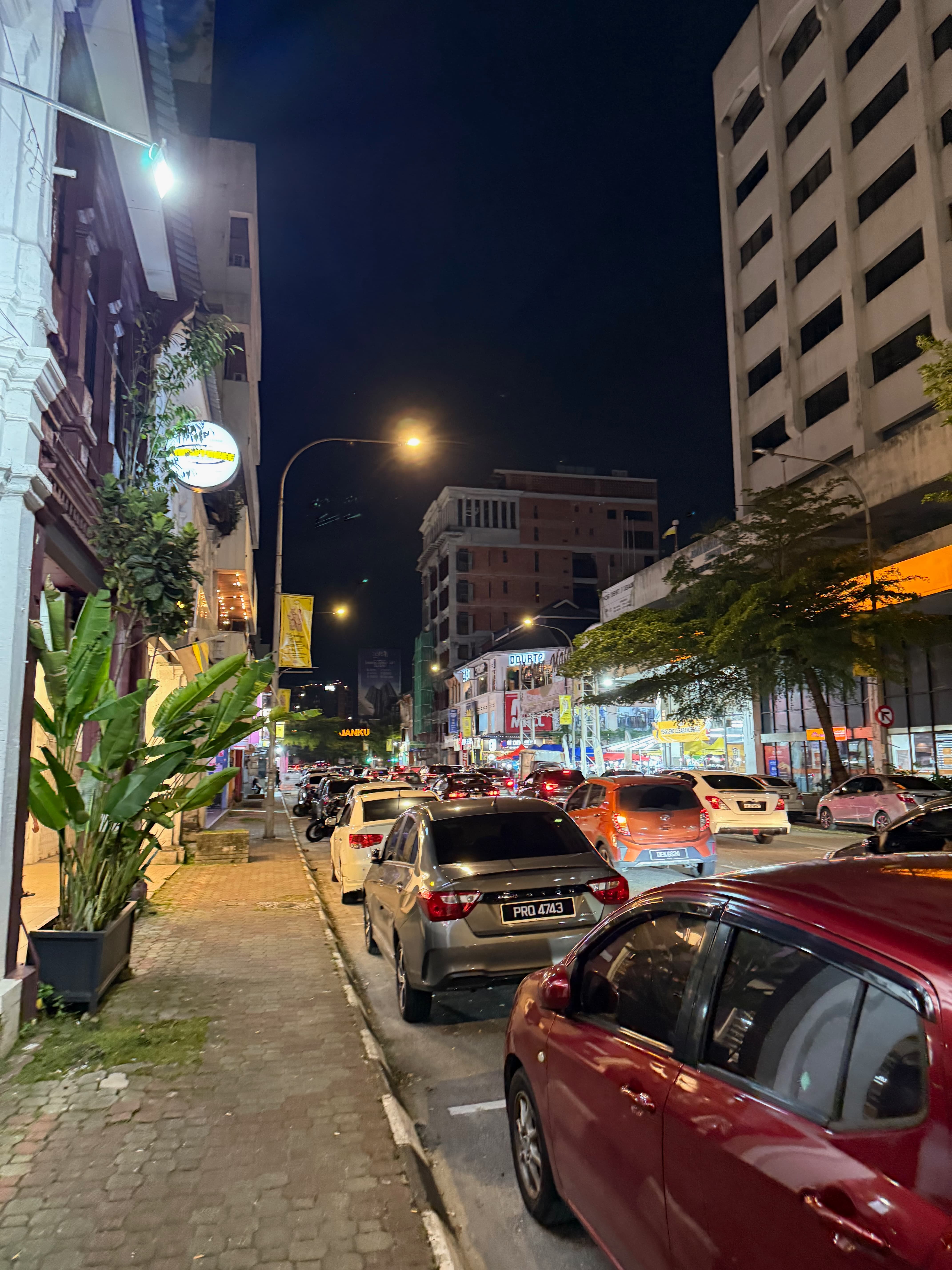
We tried WhatsApp, and luckily he was online. He picked up, shared the OTP, and everything worked out. But in that moment, one thought stuck with me — what if he wasn't online? We didn't have a simple fallback. Yes, we could have figured something out, but it would have taken time and effort for something that should have been very straightforward. It wasn't about the difficulty of the situation. It was about how unnecessarily complicated a simple phone call had become.
After that, I started noticing similar situations in other trips too. Calling a hotel that doesn't use WhatsApp. Calling a local service. Trying to reach someone quickly when timing doesn't match. Every time, there was a small friction. A pause. A dependency on whether the other person is online or not. It didn't feel right.
The Mental Load of Planning
Before every trip, there is already a lot going on. Packing, shopping, documents, bookings, itinerary, currency, work — your mind is already handling too many things. And then on top of that, you are expected to figure out calling solutions as well. Which app to use, which country it supports, how much it costs, whether it will work properly — all of this adds unnecessary mental load. These things may seem small individually, but together they become tiring.
"Roaming is often considered the default solution, but it comes with its own problems. It's expensive, and you are never fully comfortable using it."
Either you feel like you are overpaying, or you hesitate before making calls because you don't know how much it will cost. For a 10–15 day trip, the pricing rarely feels justified. It works, but it doesn't feel efficient or simple.
At some point, the question became very clear — why does something as basic as calling require this much thinking? Why can't it just be simple again?
Removing the Friction
That's where Callzo started. Not from a big idea, not from trying to build something ambitious, but from a very practical need. The goal was simple — remove the thinking. No planning, no comparisons, no calculations. Just open the app, make the call, and be done with it.
Callzo was never meant to be something people use all the time. In fact, most people won't use it daily. But that's not the point. The point is those specific moments during travel when you need to call and you don't want to deal with complexity. You just want it to work.
I remember using it during a trip to Tokyo. I had an early morning flight from Haneda and was staying near Asakusabashi. I woke up at 4 AM to catch the first train around 5 AM. Everything in Japan is punctual, but when it's that early and you have a flight to catch, your mind still thinks about what could go wrong. So I took a taxi number from the hotel reception the previous day, just in case.

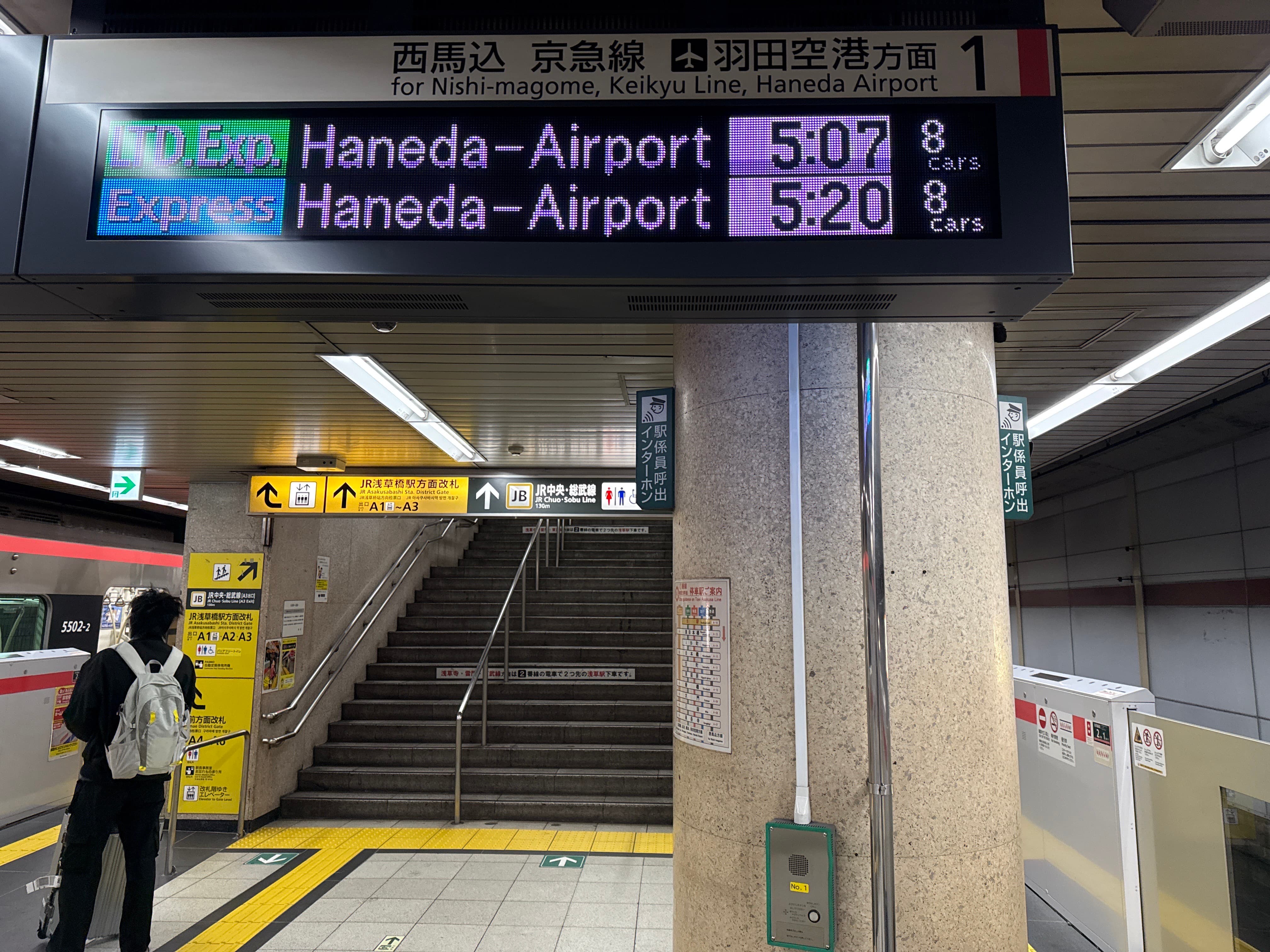
The only reason that felt like a reliable backup was because I knew I could call without worrying about anything else. I had internet through my eSIM, and that was enough. No extra setup, no confusion. Just a number and the ability to call.
That feeling is not very obvious, but it matters. It's a kind of quiet confidence. You don't actively think about it, but it changes how you experience the situation. You are slightly less stressed, slightly more relaxed, and more in control.
Just a Calling Backup
Travel is made up of small uncertainties. Not big problems, but small unpredictable moments. And in those moments, even small tools can make a difference. Not because they solve everything, but because they remove friction. They simplify things when your mind is already dealing with enough.
That's what Callzo is meant to be. Not something you depend on all the time, not something that replaces everything else, but something that exists as a simple backup. Something you don't have to think about until you actually need it.
I often think of it like travel insurance. You don't expect to use it, but you still keep it because it gives you peace of mind. Callzo is similar. It's not for long conversations or casual chats. It's for those specific moments where calling becomes necessary.
Over time, I realized this problem is not unique. Many people travel more frequently, across different countries, dealing with different systems. For them, this friction shows up even more often. And every time, they have to figure it out again.
Callzo wasn't built to replace WhatsApp or compete with existing solutions. It simply exists to make one thing easier — calling when you need it. That's it.
If I had to describe it simply, it's just a calling backup. Something that sits quietly in your pocket, ready when needed.
You may not use it much. But every time you travel, you will know that if you need to call someone, you can. And that small certainty makes a bigger difference than it seems.
That's why Callzo exists.
Travel with Peace of Mind
Keep Callzo as your reliable backup for whenever you need to make an important call abroad.
Get Started with Callzo